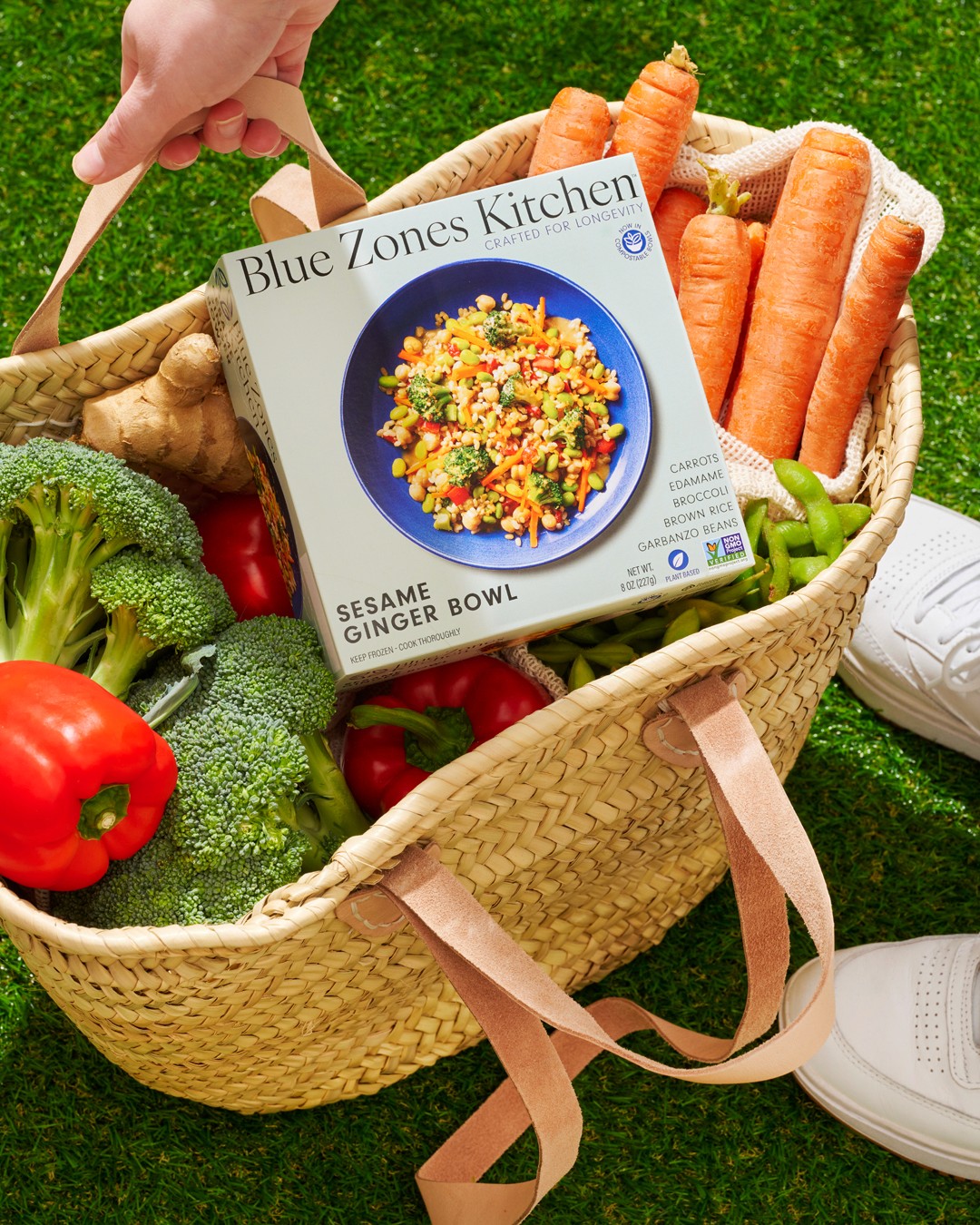
Every summer, something shifts at the farmers market. Strawberries give way to peaches. Peas disappear and zucchini takes over. The colors are more vibrant and the entire experience of buying food feels more alive. For most of us, this is a seasonal experience. For the world's longest-lived people, this is what eating looks like every day.
In the blue zones, meals are shaped by what's growing nearby and what's ready right now. The rhythm of the seasons sets the rhythm of the table, and researchers who have studied these communities believe that's no small thing.
The Forgotten Logic of Seasonal Eating
Before refrigeration and global supply chains, eating seasonally was a part of life. Humans ate what was ripe, preserved what they could, and waited for the rest. Our bodies adapted to that pattern over thousands of years, and there's growing evidence that honoring it still matters.
Fruits and vegetables harvested at peak ripeness and eaten close to the source contain more of the vitamins, minerals, and antioxidants that support long-term health. The longer produce travels and sits, the more those nutrients degrade. Seasonal eating, almost by definition, means eating food closer to its peak.
It also means more variety throughout the year. In the blue zones, no single ingredient dominates every meal for twelve months straight. The plate rotates naturally with the harvest, which brings a wider range of nutrients over time and a more diverse, resilient diet.
Summer: The Blue Zones Season
Summer is arguably the most blue zones-aligned time of year in much of the world. Markets are abundant with the kinds of ingredients that anchor longevity eating: tomatoes, leafy greens, fresh herbs, berries, corn, cucumbers. These are whole, plant-forward foods at their most abundant and most flavorful.
Across the blue zones, summer eating tends to be light, fresh, and social. Long meals outdoors. Food shared with neighbors. Dishes built around whatever came out of the garden that morning. It's a reminder that eating well doesn't have to be complicated. It just has to be connected to what's around you.
How to Bring It Into Your Own Kitchen
You don't need a garden or a farm nearby to eat more seasonally. A weekly trip to the farmers market is a great place to start. Let what appeals to you most guide what you eat, rather than planning meals around a fixed grocery list. It's a small shift that tends to make cooking feel less like a chore and more like a discovery.
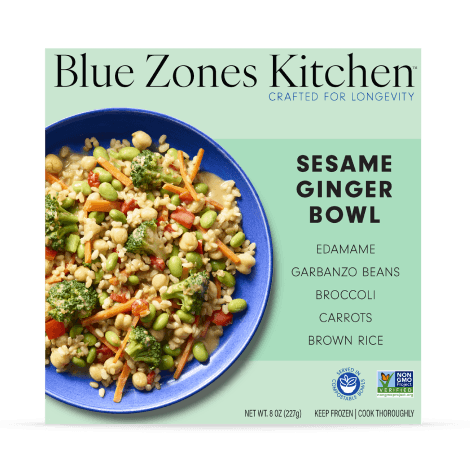
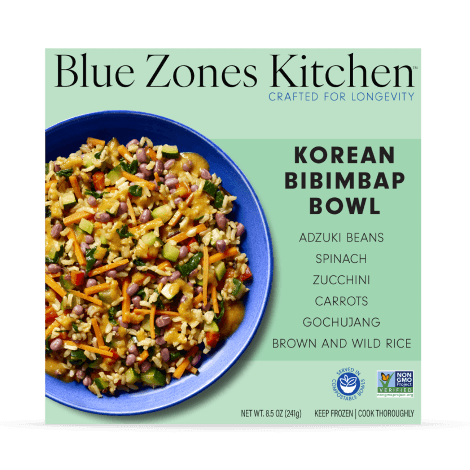
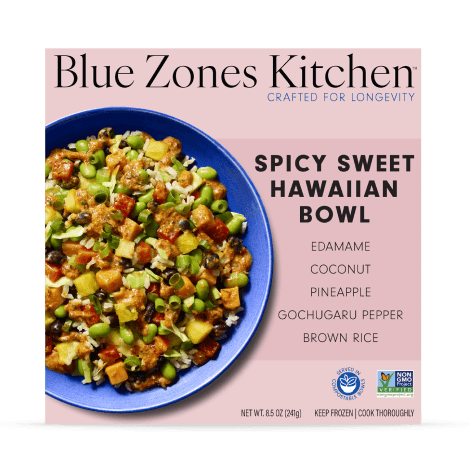
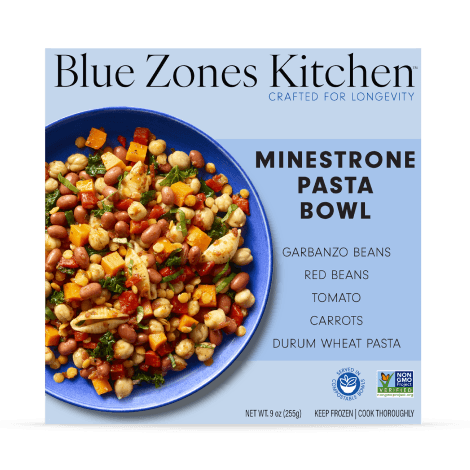
When time is short, Blue Zones Kitchen meals are built around the same whole, plant-forward ingredients that define seasonal blue zones eating, so you can stay true to the way of eating even on the nights when farmers market produce isn't an option.
The goal isn't perfection, but rather to pay more attention to what's in season, what's growing nearby, and what your body might be craving. That's a habit the world's longest-lived people have practiced for generations, and one worth building for yourself.